


Siding is often an underrated home improvement, but its effects can be substantial. Whether you're buying or selling a home in the Shenandoah Valley, upgrading your siding can provide notable benefits.
For sellers:
- Curb appeal, curb appeal, curb appeal. A siding refresh will help your home appear more modern and up-to-date, increasing its appeal in the eyes of potential buyers.
- New siding is considered a valuable upgrade that can significantly boost a home's selling price and command a higher selling price.
For buyers:
- Protect your new home. Some signs that indicate that your siding may be older and could benefit from being replaced with energy-efficient siding include warping, cracking, or fading. New siding can also reduce your energy bills. Also, because a large amount of your home’s exterior may be covered with siding, this is a quick and easy way to make your home look brand new.
- After a big purchase, this may not be the highest priority on your list, but replacing your siding can help make your new house your home. You can customize your look with a variety of styles, colors, and combinations to create an aesthetic that is 100% you.
Energy-Efficient Siding Upgrades
Many homeowners in the Shenandoah Valley may not realize the significant impact that new siding can have on energy efficiency. Siding serves as an essential protective layer, helping regulate indoor temperatures and reducing the strain on your HVAC system. By choosing energy-efficient siding, you not only enhance your home’s comfort but also increase its value and reduce the maintenance required to keep it performing well.
Materials such as vinyl and fiber cement are great options for insulation, blocking heat transfer effectively to keep your home cooler in summer and warmer in winter. Additionally, certain siding materials, like metal with reflective coatings, help minimize heat absorption, which can lower energy use and reduce your utility bills.
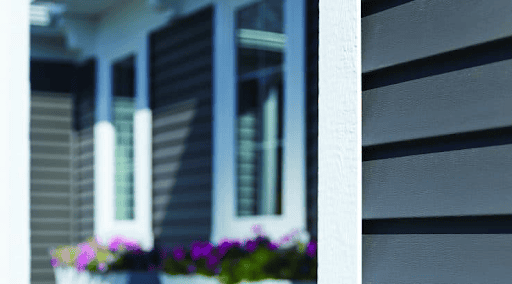
When selecting the most energy-efficient siding for your home, several factors come into play. Here are a few important guidelines to help you choose the right option for your needs:
Stucco
Pros:
Stucco provides effective, energy-efficient insulation, helping to regulate your home’s temperature. It also offers an attractive appearance, enhancing the overall look of your home. When properly maintained, some types of stucco can last a lifetime. Additionally, stucco is resistant to both fire and pests, providing added protection. The color is integral to the material, meaning repainting is typically unnecessary.
Cons:
However, stucco can be just as expensive as other sidings like wood, making it a significant investment. It may also be susceptible to rain damage, making it less suitable for wetter regions. Furthermore, when stucco is not mixed with epoxy, it can crack, leading to expensive repairs.
Vinyl Siding
Pros:
Vinyl siding is thermally resistant, making it highly energy-efficient, particularly when paired with foamed backing. It is a cost-effective option, as the material is relatively inexpensive and can be easily retrofitted onto existing structures. Vinyl is available in a wide range of styles and colors, allowing for versatile design options. Additionally, it is highly resistant to harsh weather conditions and can conceal minor damage, reducing the need for maintenance. Moreover, vinyl siding is recyclable, making it an environmentally friendly choice.
Cons:
Repainting vinyl siding can be tricky and, in some cases, may void the material's warranty. If a panel becomes damaged, it often requires a full siding replacement. Lastly, vinyl siding may need to be replaced after only 10 to 20 years, depending on the conditions.
Wood Siding
Pros:
Wood is a naturally insulating material, making it highly energy-efficient. It also provides a classic, desirable appearance that enhances your home's overall aesthetic. Wood siding is available in a wide variety of paints and stains, offering plenty of customization options. As an eco-friendly choice, wood is both recyclable and biodegradable. When properly maintained, wood siding can be durable and long-lasting, adding lasting value to your home.
Cons:
While wood is durable, it requires regular maintenance and repairs, including painting and staining, to prevent or fix issues like holes, warping and rotting. Neglecting proper maintenance can lead to more severe problems, resulting in costly repairs. Wood is also vulnerable to fire damage, which makes it less ideal for areas with a higher risk of wildfires. Additionally, wood is an expensive siding option, requiring a larger upfront investment.
Fiber Cement and Composite Siding
Pros:
Fiber cement and composite siding, made from cement materials or wood fibers, provide a more affordable alternative to natural stone or wood siding while still offering a high-end look. The wood fibers used in composite siding help retain natural insulation, enhancing energy efficiency. This type of siding is fire and pest-resistant, offering added protection for your home. Additionally, it requires less maintenance than wood siding and can last up to 50 years with proper care.
Cons:
While durable, cement products are non-recyclable, which may be a concern for eco-conscious homeowners. Although fiber cement is less expensive than stone, it is not as energy-efficient. However, it is still more energy-efficient than most other siding options.
Steel Siding
Pros:
Steel siding helps keep homes cooler by reflecting heat away from the structure. Both steel and aluminum are recyclable materials, making them an environmentally friendly option. Available in a variety of styles, steel siding offers an attractive, modern appearance for any home. Its durability makes it low-maintenance, resistant to weather, fire, and pests, and capable of lasting up to 50 years with proper care.
Cons:
While more affordable than wood, steel and aluminum siding can still be expensive. It may not be the best choice for homes in colder climates, as it doesn’t retain heat effectively. Over time, steel and aluminum siding may rust or fade, requiring occasional maintenance.
The Best Energy-Efficient Siding Options for Your Home
Improving your home’s energy efficiency starts with selecting the right siding, tailored to your energy goals and style preferences. The ideal siding choice can lower energy costs, reduce carbon footprint, and enhance your home's value, appearance, and comfort.
The siding that you choose for your home is important. For a professional and qualified evaluation in the Shenandoah Valley, contact Thompson Creek.
Maximize Energy Efficiency and Savings
To further enhance your home's energy efficiency, consider these additional tips:
- Seal Air Leaks: Close gaps around windows, doors, and other openings to prevent air from entering or escaping.
- Proper Installation: Ensure your siding is installed properly to eliminate gaps and prevent leaks.
- Adequate Insulation: Adding proper insulation in your walls and attic can significantly boost energy efficiency.
By selecting the right energy-efficient siding and implementing these additional measures, you can enjoy a more comfortable, energy-efficient and valuable home.
This blog content is provided by Thompson Creek Window Company and is hosted on this website as part of a paid partnership.

Footer Social Links